 One of the main announcements from Facebook’s F8 Conference yesterday was the launch of Facebook’s new Messenger Platform, which will open the Messenger SDK to third-party apps and services, as well as a new customer service initiative that allows customers connect with businesses directly over Facebook Messenger.
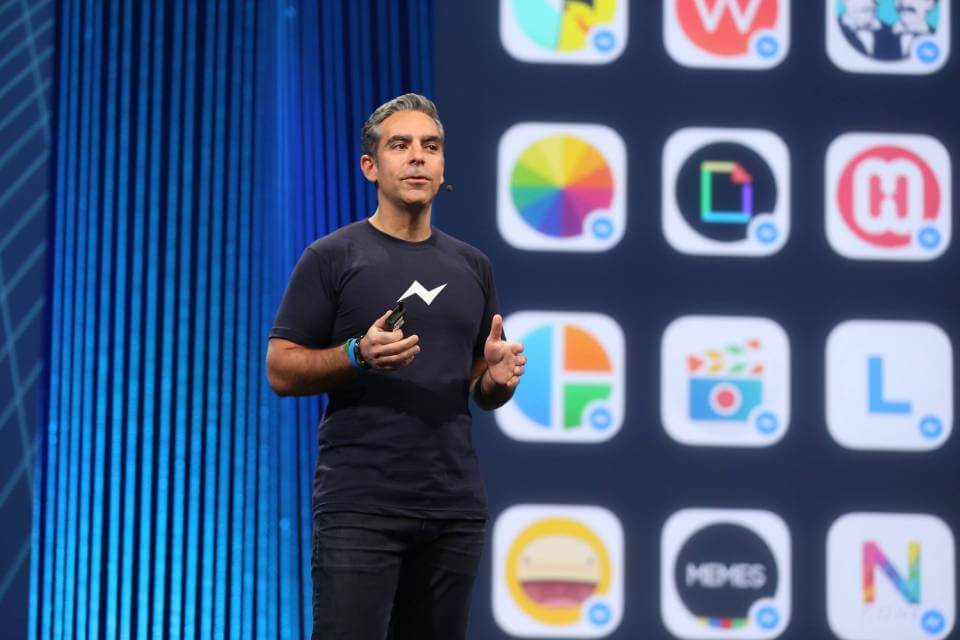
Users will be able to access third-party Messenger content apps via a button next to the options for adding photos or stickers. Using these apps, users can create custom GIFs, videos, and other personalized content and send their creations to friends and family through Messenger. The recipient will receive a link to download or open the third-party app to view and respond to the message with their own content. Facebook’s David Marcus emphasized that the content apps will not be included within Facebook Messenger, but will remain standalone apps that link to Messenger:
“If we added a 10th of the capabilities [directly to Messenger] that we’ve added with partners today, it would make it really slow… If you don’t want to use those things, you’re not forced to… because those experiences don’t live inside of Messenger. It’s not like the overall experience of the app is getting very bloated.”
The Messenger platform will launch with support for a wide range of popular apps, including ESPN, Bitmoji, JibJab, Legend, Ultratest, Ditty, Giphy, FlipLip, ClipDis, Memes, PicCollage, Kanvas, Action Mobile FX, Boostr, Camoji, Cleo Video Texting, Clips, Dubsmash, Effectify, EmotionAR, EMU, Fotor, Gif Keyboard, GifJam, Hook’d, Imgur, Imoji, Keek, Magisto, Meme Generator, Noah Camera, Pic Stitch, PingTank, Score on Friends, Selfied, Shout, StayFilm, Facebook Stickered, Strobe, Tackl, Talking Tom, Tempo, The Weather Channel, to.be Camera, and Wordeo. More apps will undoubtedly follow as developers have a chance to experiment with the SDK.
Facebook also hopes to improve interaction between customers and businesses by bringing the intuitive Messenger experience to the marketplace. Facebook has partnered with businesses like Zulily and Everlane to allow customers to cancel, modify, and track orders directly within Messenger. Integration with ZenDesk and other customer service platforms will let businesses to respond to customer inquiries through Messenger as well. In addition, businesses will be able to send push notifications to consumers’ devices, even if the business itself does not have its own app.
Although no monetization strategy has been announced for Messenger’s new business features, it’s likely that the information Facebook gleans from these customer-to-business interactions, such as where users shop and what products they buy, will allow for improved ad targeting, perhaps leading to more profits from Facebook’s ad platform down the line.
All in all, the improvements to Messenger seem to confirm that Facebook is continuing its efforts to differentiate from the competition and protect its substantial market share. The emphasis they’re placing on keeping third-party functionality separate from the core Messenger app also coincides with Facebook’s gradual transition from an all-in-one app to multiple apps for specific functionalities.
What do you think of Facebook’s F8 announcements? Which of Messenger’s new features are you excited to try out?