T

Physically, the phone is 160.2 x 72.9 x 8.0 mm and weighs in at 180 g, so it’s slightly shorter and lighter than the 8 Pro, but these dimensions are very much in-line with previous generations of the phone, like the 6T. However, it’s a bigger screen for the same body size. Returning to the physical characteristics, it follows a similar layout to most OnePlus phones. USB-C 3.1 port on the bottom, volume controls on the left, power button on the right, alert slider on the right above power, cameras on the back. The SIM tray is at the bottom next to the USB port and supports two SIMS that are inserted back-to-back. A SIM ejection tool is included. There’s no audio socket and there hasn’t been for a couple of generations.

Under the hood, and just like the 8 Pro, there’s a Qualcomm Snapdragon 865 CPU, paired with an Adreno 650 GPU. The RAM is LPDDR4 and storage is courtesy of UFS 3.0 at either 128 GB or 256 GB. 5G is provided by the X55 chipset and WiFi 6 is supported. Performance-wise, after three runs GeekBench 5 gave average scores of 915 single-core and 3385 multi-core which comfortably beat last year’s 7T. Bizarrely, the 8’s GeekBench 5 score actually beats the 8 Pro. I don’t know why.

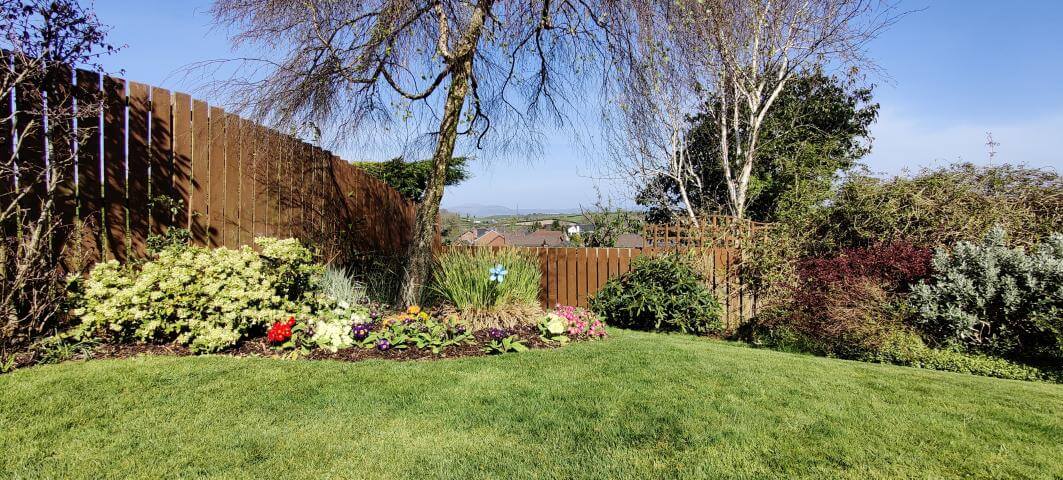
The two photos below were taken from the same spot at nearly the same time. The upper one is the ultrawide and middle one is the main camera without any magnification, and the lower one is the main camera with 2x magnification.


Unlike the 8 Pro, there’s no funky colour filter camera, but there are still some effects available within the app. Here’s my shed in “black and white”. Astute readers will notice that it’s been painted (cf 8 Pro review).

Inside the phone is a 4500 mAh battery which is only 10 mAh smaller than the 8 Pro. Hmm, I think there might be a little shenanigans there to make sure that the top-end phone has the bigger battery. In what I think of as ordinary use, I got the best part of two days out of a charge, but yes, game playing is still energy expensive. For charging, OnePlus’ Warp Charge 30T delivers 30W of power and will charge the 8 from 1% to 50% in 22 minutes – I’ve actually tested this and it’s true. A Warp Charge 30 charger and cable come in the box with the 8, so there’s nothing extra to buy.

Based on Android 10, OxygenOS has seen a few improvements here and there but retains its closeness to stock Android that is very much part of its appeal. The most obvious of these is dynamic backgrounds which swirl and morph when the phone is turned on or you swipe between launcher pages. It’s really fun. For lovers of dark modes, OnePlus has developed a new mode theme from the ground up. I’m not generally a dark mode user, but what I did see during testing looked good: I could be a convert.
Games play really well on the 8. I tried out Call of Duty, X-Plane and Galaxy on Fire for starters and they’re all great. The 8 includes “gaming mode” and “fnatic mode” which lets you tailor the gaming experience by devoting resources and blocking notifications when you’re in the zone, as it were. It’s a super smooth experience.
The only downside I’ve discovered to the 8 is with the pre-installed screen protector. First, it’s not as well installed as it is on the 8 Pro. On the Pro, I had to look really hard to find the edges of the screen protector; it’s just about seamless and there’s no cut-out for the camera. Whereas on the 8, it’s quite obvious, particularly round the hole-punch camera. And secondly, the screen protector on the 8 seems to be a perfect dust magnet! I didn’t have this problem with the 8 Pro and it’s very annoying.
Pricing-wise…
OnePlus 8
8 GB / 128 GB – US$699 / GB£599
12 GB / 256 GB – US$799 / GB£699
The OnePlus 8 series will be available SIM-free from OnePlus.com, John Lewis and Amazon from 0900 on 21 April, with all John Lewis purchases also coming with Bullets Wireless 2 headphones while stock lasts.
Overall, this is a seriously good phone at a good price and very much continues the progression of the standard OnePlus phones. It’s a premium-feeling phone, it looks fabulous, there’s no skimping on the performance and everything else like the screen and the cameras are within spitting distance of the 8 Pro. You get 5G, WiFi 6, fast charging and OxygenOS. Frankly, if it was my money and the choice was between an 8 at £599 and an 8 Pro at £799, I think I’d buy the 8 and keep the £200 change.

Thanks to OnePlus for supplying the 8 for review.